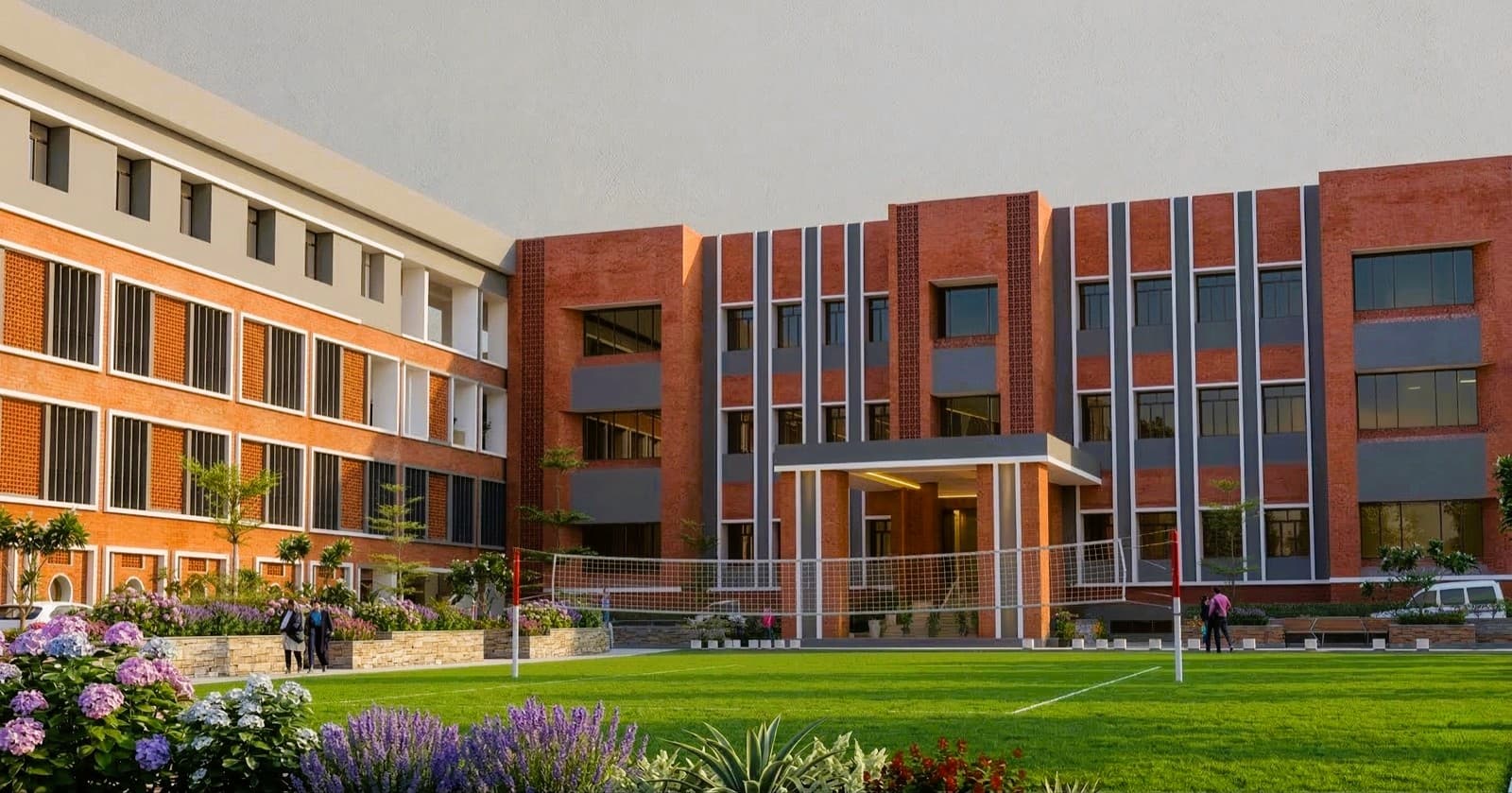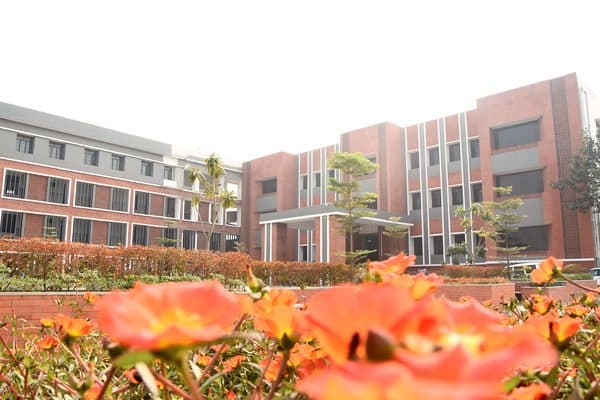
College brochures are always aspirational. This piece is an honest account of what an average day looks like for a BITE student, based on the rhythms of the 5.5-acre Babatpur campus. No gloss. Just the shape of the day.
5:30 AM — Sunrise yoga
The campus wakes early. A small group of students gathers on the eastern lawn for yoga led by the Physical Education faculty. It's optional but surprisingly popular — the air is cool, the birds are loud, and the next six hours of classes feel easier when you've spent 30 minutes on a mat at dawn. Most participants are B.P.Ed trainees, but students from every programme show up.
7:30 AM — Chai and conversations
The campus chai stall opens. This is where plans get made — study groups, event committees, who's going to Sarnath this weekend. The stall sits between the main academic block and the canteen. If you want to understand campus mood on any given day, start here.
9:00 AM — Classrooms come alive
Most classes start at 9:00 AM. The daily schedule varies by programme — B.Ed trainees have different rhythms from BCA first-years, and D.El.Ed has its own practicum-heavy structure. A typical morning block is two 90-minute periods with a 15-minute break.
Faculty expect students to have read assigned material beforehand. Discussions are active — the I-D-E-A Framework means lectures are paired with immediate application (case studies, problem sets, micro-debates). Phones are discouraged but not policed; the norm is self-regulation rather than surveillance.
12:00 PM — Lab hours
After a second block of lectures, afternoon sessions move to labs — the 60-system computer lab, the science labs, the language labs. BCA students are debugging a semester project; B.Sc. students are running a chemistry practical; BA students might be in the language lab working on pronunciation exercises.
B.Ed trainees in internship periods leave campus for school visits around this time.
1:00 PM — Lunch break
The canteen, the mess, and the chai stall are all busy. Some students bring home-cooked tiffins; others eat at the campus. There's a strong social culture around lunch — you're unlikely to eat alone unless you want to. The hour-long break doubles as an informal study / hangout window.
3:00 PM — Sports and fitness
The afternoon slot from 3 to 5 is for games, practice, and fitness. The cricket ground, basketball court, volleyball court, and 400m running track are all active. The gymnasium and yoga studio run classes. B.P.Ed trainees are coaching their certification matches.
This is the most visibly energetic part of the day. Even students who didn't do sports in school usually pick up something — badminton is a common starter because it's social and doesn't require elite fitness.
5:00 PM — Club activities
Seven student clubs operate year-round:
- Photography Club — photo walks through Varanasi, including Sarnath and the ghats
- Music Society — vocal + instrumental practice, occasional campus performances
- Art & Design — painting, posters, Diwali / Holi decorations
- Debate Forum — internal debates + inter-college competitions
- Coding Club — project-based learning in Python, web dev, occasional hackathons
- Dance Crew — cultural + contemporary, annual-day performances
- Social Service — NSS + independent outreach (literacy drives in nearby villages, Ganga-cleanup participation)
Students typically join 1–2 clubs. Club activities are unstructured — they're led by senior students, not faculty, so the energy is genuinely student-driven.
6:30 PM — Ghat walk
Not everyone does this, but the students who do rave about it. A short shared-auto ride (or a longer shared-walk) takes you from Babatpur to the ghats of Varanasi — Dashashwamedh, Assi, Manikarnika. The Ganga Aarti at Dashashwamedh at 7 PM is a weekly ritual for many. It's free, spiritually grounding, and quietly formative.
For first-year students from outside UP, the ghat walk often becomes the moment when they feel like they've actually arrived in Kashi rather than just attending college.
Evenings — study, hostels, and home
Most BITE students commute. Students who are not from Varanasi either take a hostel place on campus or rent privately in Babatpur and the surrounding colonies — Bablia, Nehru Nagar and the Chiraigaon-side residential streets have a small rental market aimed at students and airport staff. Room types and current hostel availability change from cycle to cycle, so ask the admissions desk directly (Mon–Sat, 9 AM – 5 PM) rather than going by a brochure. BITE Sampark (the student-support cell) helps incoming students find safe, affordable housing near campus either way, and the Babatpur guide for out-of-town students sets out what each option costs.
Evenings are for study, assignments, and occasional social time. Group study sessions over video calls have become normal post-2020.
Weekends
Saturday mornings run a half-day of classes for many programmes. Saturday afternoons and Sundays are unstructured — some students go home, some stay and explore Varanasi, some pick up part-time tutoring work.
The texture of campus life
Three things shape BITE's campus rhythm: 1. Proximity to Kashi. This isn't a background detail. Students are genuinely shaped by living near one of the world's oldest continuously-inhabited cities. Philosophy, literature, art — all feel more immediate when Sarnath is a 20-minute drive away. 2. Cross-programme friendships. Because BITE has 17 programmes on one campus, students naturally make friends across disciplines. A BA friend, a BCA friend, a B.Ed friend — this breadth is rarer than you'd think. 3. Unhurried pace. The campus runs on a pace that accommodates both serious study and real rest. No one is sleep-deprived as a badge of honour. That's a deliberate institutional choice.
If you want to see the campus in person, campus tours are available on weekdays. Schedule one through the contact page — we'll walk you through classrooms, labs, and grounds, and you can meet faculty.
Was this article helpful?