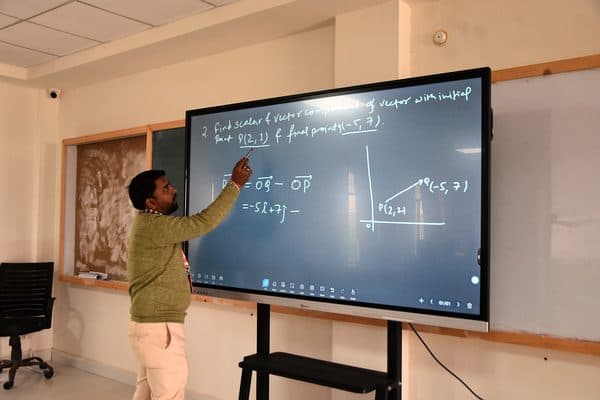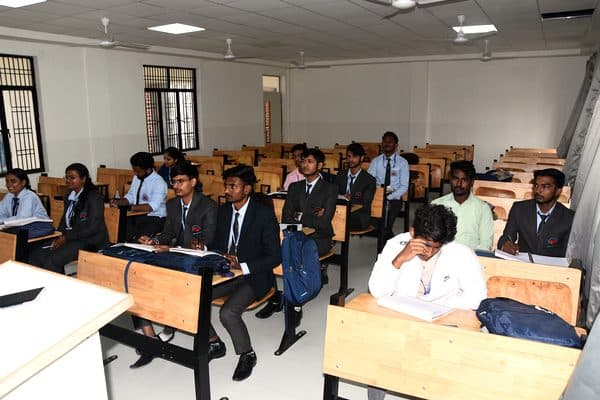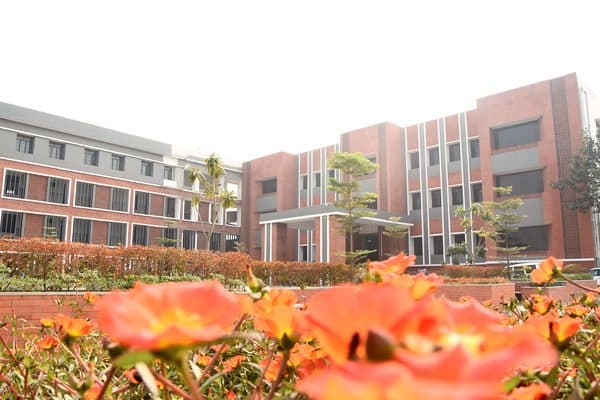
"Top 10" lists are usually fluff. This one tries not to be. Ten substantive reasons to choose BITE for 2026-27, grounded in specific institutional facts rather than marketing adjectives.
1. Layered accreditation structure
BITE is NCTE-recognised for B.Ed, B.P.Ed and D.El.Ed; fifteen of its 17 programmes are affiliated to MGKVP (college code 134), which is itself UGC Section 2(f) + 12(B) recognised; the MBA is affiliated to AKTU (College Code 1284) and AICTE-approved; and the D.El.Ed runs under SCERT-UP. That layered structure means every BITE graduate holds a qualification with a named regulator behind it — checkable, not asserted. Verification letters and disclosure documents are on the Mandatory Disclosure page.
2. 17 programmes on one campus
Not a single-focus college. You can major in English literature and attend guest lectures with M.Com students; do a BCA while your best friend does a B.Ed; graduate B.Com and stay for M.Com without switching institutions. That cross-pollination is rarer than you'd think.
3. Faculty depth — 27+ members, 12 departments
Every department has Ph.D. and UGC-NET-qualified faculty. The Director, Prof. O. P. Rai, brings Ph.D., Postdoc (BHU), and National Award (2016) credentials. The Faculty page lists credentials, specialisations, and publications — worth reviewing before applying.
4. A real, structured educational philosophy
The Three Pillars — Gyaan, Sanskar, Kaushal — aren't decorative. They shape assessment rubrics, curriculum choices, and institutional priorities. The separate blog post explains the framework.
5. Practicum-heavy teacher training
B.Ed has 120+ days of school internship. D.El.Ed has 100+ days. B.P.Ed has extensive sports coaching hours. Theory is paired with actual classroom / field experience — not PowerPoint slides alone.
6. NEP 2020 operational, not aspirational
Multidisciplinary electives, ABC credit transfer, Indian Knowledge Systems integration — all are live at BITE via MGKVP. Many colleges talk about NEP 2020 in brochures; at BITE it actually shapes how you enrol, what you study, and how credits travel.
7. Campus environment — 5.5 acres, Babatpur
Tree-lined grounds, 400m running track, modern labs, 60-system computer lab, central library with 15,000+ books, sports complex, gymnasium + yoga studio, science labs, multi-purpose hall. A 20-minute drive from Varanasi city and the ghats of Kashi.
8. 5000+ alumni network
The alumni network reaches into UP government schools, CBSE / ICSE schools, corporate training teams, EdTech, higher education and the public-service exam routes, and it is densest in eastern UP — which matters when you start looking for your first job. BITE publishes no placement statistics, so treat this as reach, not a placement record.
9. Proximity to Kashi as an educational environment
Varanasi / Kashi is not incidental background. Students make multiple visits to Sarnath for history / archaeology fieldwork, engage with the Ganga for B.Sc. practical projects, use Kashi's manuscript tradition for MA Hindi research, attend the evening aarti at Dashashwamedh, visit Mother Teresa's charitable sites. A philosophy degree feels different when you study it 20 minutes from a place of continuous learning that has operated for 3,000+ years.
10. Honest institutional communication
This is harder to verify from a brochure, but it shows up in small things. The blog notes where NEP 2020 is still being rolled out rather than claiming full implementation. The exam-outcome figures carry their cohort year rather than floating free, and where a number does not exist — placement statistics, for instance — the site says so instead of inventing one. Questions asked via enquiry@bitevns.ac.in are answered substantively, not with form replies.
You'll get other lists from other colleges. These ten reasons were deliberately chosen to be things that are true in specific, verifiable ways — facts to check against your own evaluation criteria rather than adjectives to trust.
What to do next
1. Review individual programme pages for eligibility and structure. 2. Visit the campus — weekday tours available. 3. Read the admissions guide for the full application process. 4. Apply online when you're ready.
Deadline: 30 September 2026.
Was this article helpful?